How Life Moves Is Evolving- The Forces Driving It In 2026/27
Wiki Article
Our Top 10 Favorite Food And Nutrition Trends You Need To Be Aware Of In 2026/27
Food is situated at the intersection of science, culture economics, as well as personal identity in a way very few other elements of daily existence can equal. What people eat, where it originates from, how it is created, and what it affects the body are issues that receive more attention with each coming year. The current landscape of nutrition and food of 2026/27 is shaped scientific advancements, growing awareness of the environment, a shift in preferences of consumers and a technology-based sector that has identified food as one of the biggest potential transformations in the coming years. Here are the ten food and nutrition trends to know about before 2026/27.
1. Personalised Nutrition is a step from concept to practiceThe idea that optimal nutrition is different for every person in relation to genetics microbiome composition, metabolic profile and lifestyle variables has been growing in research literature for years. In 2026/27, the tools to help implement this notion will be available to anyone, not just specialist treatment centers and professional athletes. There are platforms designed for the general public that combine genetic testing Continuous glucose monitoring microbiome analysis and AI-driven dietary suggestions are gaining traction in all-encompassing markets. The one-size fits all diet is no longer in existence, but is increasingly being supplemented by guidelines that are tailored to the individual rather than the general population.
2. Gut Health Remains Central To Mainstream Nutritional ThinkingThe gut microbiome, the massive microorganism community living in the digestive tract, has been one of the most researched areas in all of nutrition research, and research findings continue to spread across the way people think about what they eat. Links between gut health and resilience, mental wellbeing, metabolic health, and inflammatory conditions have elevated fermented foods, dietary fibre, and prebiotic and probiotic products from the shelves of health food stores to food items to top supermarket brands. The understanding of the gut health of consumers isn't complete and the supplement market in particular is subject to over-proclaiming, however the research is firmly established and expanding.
3. Plant-Based Eating Matures And DiversifiesThe first line of meat substitutes made of plants intended to imitate the taste and texture of traditional meat however closely possible it has evolved to become a much more diverse array. Whole food, plant-based eating focused on legumes, veggies and grains, as well as nuts and seeds in less processed varieties, is gaining popularity with the development of ever more advanced alternatives to proteins. There is a shift in motivation too. Health impacts, environmental impact and animal welfare are all important of late, and often in conjunction. Plant-based eating in 2026/27 is less of a purely binary assertion and more of a continuum that an increasing proportion of the population has been engaging to various degrees.
4. Protein Demand Drives Innovation Across Multiple CategoriesProtein is now the most profitable macronutrient within the food industry. The competition to keep up with the growing demands for it is generating innovation in a variety of categories. Precision fermentation, which uses microorganisms to produce animal proteins without the animal growing, is gaining momentum. Insect-based protein, which has been navigating significant cultural resistance in Western markets, is beginning to gain acceptance in specific processed food applications. Proteins from algae, single-cells generated from agricultural waste and continued development of legume-based alternatives are all part of a diversifying protein supply one that represents both the environmental need and the commercial opportunity.
5. Ultra-Processed Food Faces Growing Regulatory PressureThe research that links high consumption of foods processed with ultra-high levels of processing to several adverse health effects has grown to the point that regulators' actions are now beginning to follow. Warning labels, restrictions on advertising specifically targeted at children, schools guidelines for food, and public health campaigns that specifically target ultra-processed eating habits are all gaining the momentum of various countries. The food industry is responding to these changes with various degrees of degree of sincerity. Consumer awareness of the ultra-processed food category is growing even as behaviour shifts in the general population are difficult to attain. Policy direction is obvious, even if the pace is contested.
6. Food Waste Reduction Becomes A Serious PriorityMore than a third food that is produced worldwide is wasted or wasted. This is the most massive environmental, commercial and ethical disaster. In 2026/27, the issue of food waste is getting serious attention from governments, retailers, food service operators, and developers of technology. Food prices that change as they approach the date it is used-by, AI-driven demand forecasting that decreases overproduction, apps that connect surplus food with consumers and charities, and packaging innovations that help extend shelf life all contribute to a tangible shift. To consumers, renormalizing imperfect produce scheduling meals more cautiously, and using food more efficiently are all simple actions that aggregate into significant impact when applied to a larger scale.
7. Functional Foods And Beverages are Getting MainstreamThe creation of drinks and food items that offer specific health benefits above traditional nutrition have gone beyond the health food aisle. Cognitive function of sleep and management of stress, as well as immune support and energy levels without the dangers of traditional stimulants are all being targeted by major food and beverage brands with adaptogens, nootropics and particular minerals and vitamins, and bioactive components. The line between food, supplement, and pharmaceuticals is getting difficult to distinguish in certain categories causing questions over evidence standards, regulatory oversight, and the degree of claims about functional benefits are established. The appetite of consumers, however, has not slowed down.
8. Local And Regenerative Food Systems Arouse InterestGlobal food supply chains demonstrated an extreme amount of fragility over recent periods of disruption, and the aftermath has seen renewed attraction to shorter, resilient regional food system. Farmers market, community-supported agricultural schemes and direct-to consumer food businesses have all risen. Alongside localism, regenerative agriculture is a farming method that aims to improve soil health, enhance biodiversity, and sequester carbon, rather than just sustaining yield, is attracting serious demand and investment. The problem is to scale up these approaches without losing what makes them effective, and that tension is one of the major issues for the food industry over the coming decade.
9. AI And Technology Transform Food Production And Food SafetyArtificial Intelligence is being used across the food system in ways that are beginning to yield tangible results. Precision agriculture based on AI-driven analysis of satellite images soil sensors information about weather is improving yields while cutting down on input. AI-powered food safety monitoring is detecting Quality and contamination issues much faster than conventional inspection methods. In the process of developing products, AI is accelerating the identification of innovative flavors, ingredients and formulations that may require years of development using traditional trial and error. The food industry has become increasingly tech-driven in ways that aren't necessarily visible to consumers. However, they are reshaping efficiency and safety throughout the supply chain.
10. Mindful And Intentional Eating Challenges Diet CultureThe world is witnessing a major shift being made in the way that people relate to food and their psychological responses. The long-standing influence of diet-related culture, with its emphasis on restricting food intake calories, restriction, and moral judgments regarding eating habits, is being overturned by practices that emphasize an attunement to hunger signals and pleasure, diversity, and a nonpunitive relationship to eating. Intuitive eating, mindful eating practices, and an overall rejection of restriction and guilt-based cycle are beginning to gain mainstream traction, particularly among younger demographics who have grown up with more visible conversations about the connections on the subject of eating disorder and diet. This change isn't without its own difficulties, but it's a significant change of how health and nutrition are framed together.
Food and nutrition in 2026/27 show a world struggling between scarcity and excess that is accompanied by extraordinary scientific possibilities as well as the impervious reality of culture, habit and economic pressure. The trends above do not signal a unified worldview on how we eat however they do point in that we are heading towards more personalization, a greater sense of environmental responsibility, and a healthier relationship between food choices and how we feel eating it. To find additional information, visit some of the leading diarioponto.pt/ to find out more.
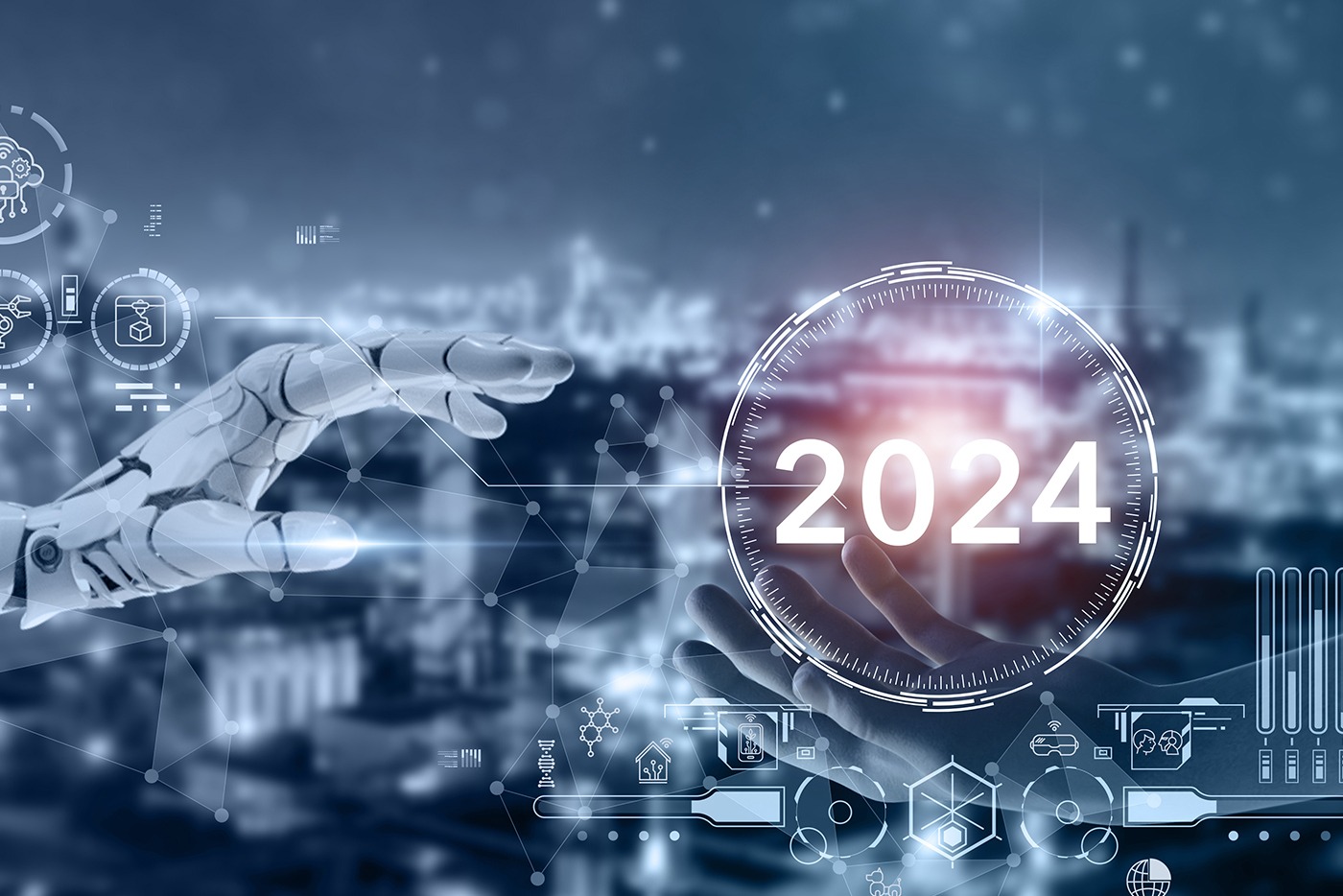 The 10 Workplace Changes Shaping The Future Of Work In 2026
The world of work is experiencing one of its most significant changes in the last few years. Artificial Intelligence and automation change the ways in which jobs require the involvement of humans and which not. Work's geography is being disrupted by hybrid and remote models that have dissociated employment from the location in ways that are continuing to play out. The competencies employers most want are evolving faster than educational institutions can adapt to reflect. The relationship between people and organizations is shifting away from the traditional mutual commitment model to one that is greater in fluidity, less negotiated, and more dependent on continuing evidence of value. These are the top ten career improvement trends that are influencing the changing job market as we move into 2026/27.
1. AI Literacy Becomes A Universal Professional RequirementThe ability to work efficiently together AI tools is rapidly becoming a standard professional requirement across all industries rather than a specific skill only confined to the realm of technology. Knowing the capabilities of AI, what AI can and can't do effectively and creating effective workflows and prompts to critically evaluate the results of AI and how to implement AI tools into the professional environment effectively are all competencies that employers are now beginning to consider as essential, not just optional. The professionals who thrive aren't necessarily the ones who are able to comprehend AI most deeply at a technical level, but rather professionals who are able to blend their expertise in their domain with the ability to apply AI tools effectively in their own field.
2. Skills-based Hiring Replaces Credential-Based SelectionA growing number of employers are shifting away to make hiring decisions, instead looking at demonstrable skills and capabilities. The realization the fact that a college degree from one particular institute is no longer a valid indication of the particular capabilities that a job requires is causing companies to invest in skill assessments employing portfolio-based hiring methods, work assessments, sample tests, as well as competency frameworks that assess what applicants are able to do, not the degree they hold. For individuals, this means both a possibility and responsibility: the opportunity to compete on demonstrated capability regardless of education background and the responsibility to improve and sustain that capability.
3. It is estimated that the Half-Life Of Skills Shortens DramaticallyThe rate at what technological skills become obsolete is growing faster, driven mostly by the pace of AI development, but also changing trends across all industries. Skills that were considered to be competitive five years ago are routine expectations today, and skills modern-day skills could be automated or superseded within the same timeframe. It is causing a paradigm change in how the process of career development is approached shifting away from the notion of acquiring the same expertise and then trading it off for years to a system of constant learning, regular review of skills and making sure that you are ahead of where demand is shifting rather than where it has been.
4. Portfolio Careers, Non-Linear Paths, and Portfolio Careers To Become MainstreamThe idea of a linear, structured career path through a single institution or even a single area from entry level to retirement no longer describes the reality of how people's working lives actually unfold, and it is losing its status as the ultimate goal. Portfolio careers that have multiple sources of income, work from home alongside employment, multiple shifting between different fields as well as extended breaks for education and caregiving or personal improvement are becoming more prevalent and are being accepted more from employers that have come to recognize a variety of career paths as proof of apprehension rather than insecurity. The ability to present a coherent narrative linking diverse experiences is now a crucial professional communication ability.
5. Remote And Distributed Work Reshapes Career GeographyThe geographical restrictions in career development have eased significantly for roles that can be performed remotely, however it is still evolving. Professionals in smaller cities and regions can now be able to work in roles as well as organizations that require relocation. The talent markets are becoming more competitive because employers can now hire worldwide rather than locally for several positions. The benefits to a career that come from being physically present in large professional hubs have diminished for some job roles, but remain significant for certain roles. Understanding the geographical scope of work in a globalized world, deciding if proximity matters and when it doesn't and determining how to maintain accessibility and career advancement opportunities within teams that are scattered, is unique and essential professional skill.
6. Personal Branding Becomes More Than Optional to EssentialThe recognition of an individual's expertise, perspective as well as track record outside the borders of their current employer is now an important job-related asset in ways that were not the case for only a few people in earlier generations. Building a strong professional profile through the creation of content through public speaking and involvement, and an active presence in professional networks can provide security against organizational change as well as options that solely internal career growth does not. This doesn't mean that you need to become a social media personality. However, creating enough external visibility which means that suitable opportunities or collaborations find their way to you independent of one particular employer is becoming standard career guideline rather than an additional added benefit for those who are particularly ambitious.
7. Emotional Intelligence and Human Skills Command A TopAs AI assumes more of the cognitive tasks that used to require human expertise, the capabilities which are unique to humans are receiving a growing amount of attention in the job market. The ability to recognize, manage and respond appropriately to emotions in oneself and others, are among the frequently discussed differentiators when it comes to roles that require leadership, client relations, team management, negotiation, and complex communication. The ability to think critically, the ability to make ethical judgments in navigating uncertainty, and the ability to establish trust are all skills that AI can enhance rather than copy. Professions who can blend professional or technical knowledge combined with strong human abilities are positioned in the most defensible part in the employment market.
8. Psychological Safety and Wellbeing are now Retention ImperativesThe key factors in determining talent have significantly shifted towards how well the workplace surroundings, the psychological wellbeing of your team, the professionalism of management, and the extent to which the work environment is compatible with personal values. Compensation remains a key factor but is ever more inadequate as a retention tool for the professionals most in demand. Companies that invest in true health, wellbeing and management and have cultures in which employees feel secure to participate fully and voice concerns without fear and without fear, consistently outperform those who rely on financial rewards alone. For people to evaluate the psychological and social environment of prospective employers with the same rigour applied for compensation and progress is now considered standard career advice.
9. In addition, mentorship and sponsorship are renewed. ValueIn a workplace characterized by rapid transformation, the importance of connections with professionals with experience that can offer insight on the future, advocate for others, and gain connections to possibilities that aren't well-known has grown rather than diminished. Mentorship is a process where a more experienced professional offers advice along with guidance, and sponsoring as a senior ally actively helps open doors and puts their influence behind advancing someone else's career These two are getting renewed attention as career advancement instruments. Reverse mentorship, where more junior professionals share expertise in areas such as technology, social platforms, and emerging cultural trends with senior colleagues, is also growing as a valuable and relationship-building practice that benefits both parties.
10. Relevance and purpose drive Career Choices In A Growing cohortThe percentage of the workforce making career decisions heavily driven by the desire for fulfilling work, a connection between their personal values and those of the organisation and the perception the value of their contribution above the company's commercial success is increasing. This is particularly evident among professional women, but it's not restricted to them. Companies that provide genuine motives and a sense of purpose, despite competitive environments, as well as demonstrate the credibility of their mission statements rather than simply asserting them, are consistently successful in attracting and keeping those most capable of contributing to their mission. The connection between purpose and career isn't without its pitfalls but the trend of the future of work is towards a workforce that is more than a transaction and is becoming more willing to adopt decisions that reflect that expectations.
Professional development in 2026/27 is going to require increased engagement, constant learning, and more focussed self-control than at times in the past of work. The changes above don't make the path forward simple, but they make it easier to see. Professionals who comprehend where value is going and invest in the skills that remain uniquely human with visible skills, and consider their careers as ongoing projects instead of established arrangements will gain greater opportunities in this environment as opposed to a sense of anxiety. The market for jobs is changing quickly, but it's never changing by chance. This is the direction that it's heading, and those who can identify it earlier will gain an advantage. For read review more info, explore a few of the most trusted blickmedia.ch/ and get expert coverage.
 Report this wiki page